
Food and Nutrition
Campus Assistance, Resources, and Support (CAReS) can help with basic needs, food access, and financial wellness.
Eat Well, Feel Well
Nutritious food gives you the energy and focus you need for school, work, and life. Planning meals can also help you save money, manage your time, and eat well even when your schedule is busy.
NC Cares offers free food resources to currently enrolled students. Stop by the Fallerius building or explore resources.
If you’re struggling with an eating disorder or want to improve your relationship with food, free on-campus counseling is also available to currently enrolled students who are no longer in high school.
Contact Us
We’re here to help you find food and other basic needs resources. Connect with us by email, voicemail, or in person.
Our resource navigator service is free to all currently enrolled NC State students.
Office of Student Support Service
Fallerius Building
nc-cares@ncstatecollege.edu
419-755-4730

On-Campus Market
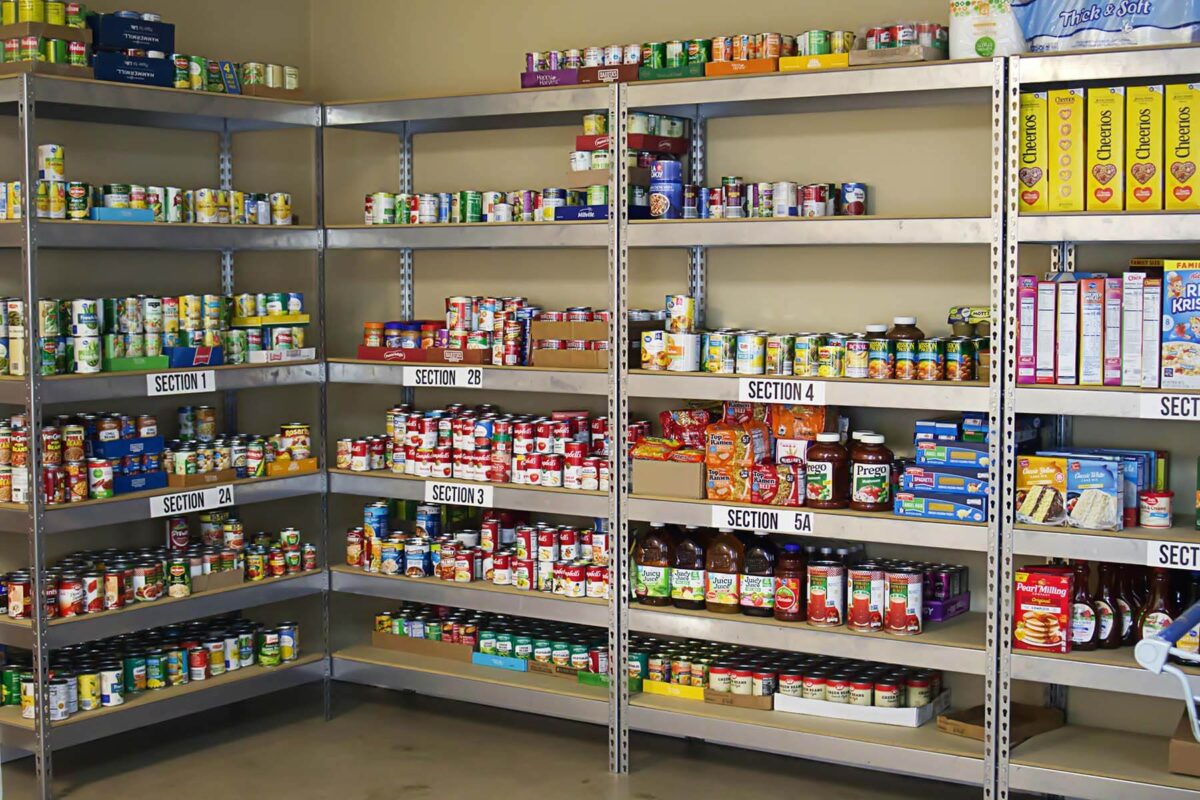
Stop by the free NC Cares On-Campus Market and Food Pantry. It’s self-serve, so you can take what you need.
Available items may include:
- Granola bars and grab-and-go snack
- Canned soup, meat, vegetables, and fruit
- Pasta and sauces
- Ramen noodles
- Personal-care items such as body wash, shampoo, and deodorant
- Meal ingredients during fall and spring semesters
Market Hours
7:30 a.m. – 5 p.m., Monday-Thursday
Fall and spring semesters
Fallerius Building, Room 86 (lower level)
Hear from a North Central student about the benefits of the market and food pantry.
Weekend Food Boxes
Richland County residents can sign up for our free Weekend Food Box program. Every Thursday, you’ll receive a box with shelf-stable foods, fresh meat, and fresh produce that should be able to sustain a family through the weekend.
The program is offered in partnership with Grace Episcopal Church in Mansfield and the Greater Cleveland Food Bank.
For more information, contact our resource navigator.

Food in Your Community
If money or time is making it hard to eat well, we can help. We know about food and other resources available in the community and can help you connect with them.
If you’re in a tough spot, or think you might be headed toward one, reach out. Our resource-navigator service is free to all enrolled students.
You can also browse our online Resource Guide for local help.
Ohio Benefits
Ohio Benefits can help you learn about programs that may make food and other essentials more affordable.
SNAP helps eligible Ohio residents with limited financial resources buy healthy food and stretch their grocery budgets.
Ohio Works First (OWF) provides cash assistance to eligible families through the state’s Temporary Assistance for Needy Families (TANF) program, for up to 36 months.
Think you might qualify? Our resource navigator can walk you through the Ohio Benefits portal with you. We’ve found that more students qualify than they realize.


Food & Mental Health
Eating challenges and nutrition concerns are common among college students. If you’d like to change your relationship with food or need support, consider talking to a counselor.
All students who are currently enrolled at North Central (and no longer in high school) are eligible for free on-campus counseling.
Also, visit Ohio Benefits to learn more about Ohio Medicaid and related programs.
Daily Food Routines
Caffeine and sugar can give you a boost, but that energy can fade fast, leaving you tired and unfocused.
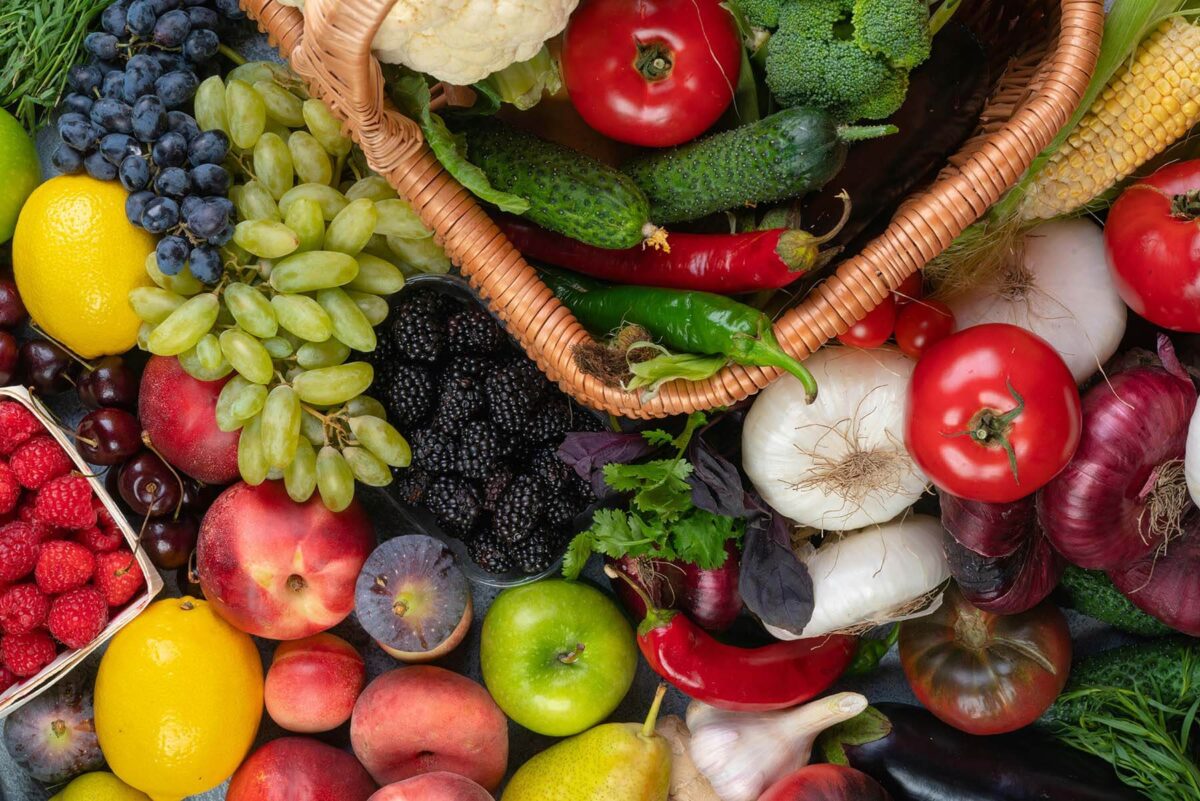
Instead, think of nutritious food as steady fuel for your brain and body. Fruits, vegetables, and lean protein can help you stay energized and focused through long days of school, work, and home life.
Visit Thrive! for more tips on daily habits to support your health, wellness, and academic success. Here are a few ways to get started:
- Choose low-fat proteins like chicken, fish, peas, and beans
- Pack healthy snacks such as fruits, vegetables, nuts, and seeds.
- Drink plenty of water and other low-or-no-sugar beverages.
- Limit fast food, vending-machine foods, and foods high in salt, sugar, saturated fat, and partially hydrogenated oils.
Power Up Your Full Potential
Want to learn more about healthy eating? Check out “Healthy Eating for the College Student,” a short video featuring a registered dietitian.
The video takes a simple, practical approach to healthy eating, including:
- Enjoying food without judgment
- Listening to your body
- Finding an eating routine that works for you
- Understanding why hydration matters
- Learning about the three essential macronutrients: carbohydrates, protein, and fat
The video also answers common questions about daily eating schedules, hydration, and healthy sources of each macronutrient.
The video comes from Kennesaw State University in Georgia.